Efficient lot clearing is more than just a preliminary step in construction or land development; it’s an essential process that can yield significant economic benefits. Landowners, developers, and municipalities increasingly recognize the importance of effective vegetation management strategies, including forestry mulching and other methods tailored to specific site needs. Understanding how these strategies impact costs, environmental concerns, and overall project timelines is crucial for making informed decisions.
The Financial Landscape of Lot Clearing
When evaluating the economic benefits of lot clearing strategies, it is essential to consider both direct and indirect costs. Direct costs include expenses related to labor, equipment rental or purchase, and disposal of cleared materials. Indirect costs may involve delays in project timelines due to inefficient clearing practices or potential environmental impacts that could result in regulatory fines.
Cost to Clear Land per Acre
The cost to clear land per acre can vary significantly based on several factors. On average, land clearing costs can range from $1,200 to $3,500 per acre depending on the terrain, the density of vegetation, and the chosen method for clearing. For instance, traditional methods like brush cutting may have lower upfront costs but could lead to higher long-term expenses due to the need for multiple passes or follow-up treatments. In contrast, using a forestry mulcher might present a higher initial outlay but often results in reduced time and labor costs.
Equipment Considerations
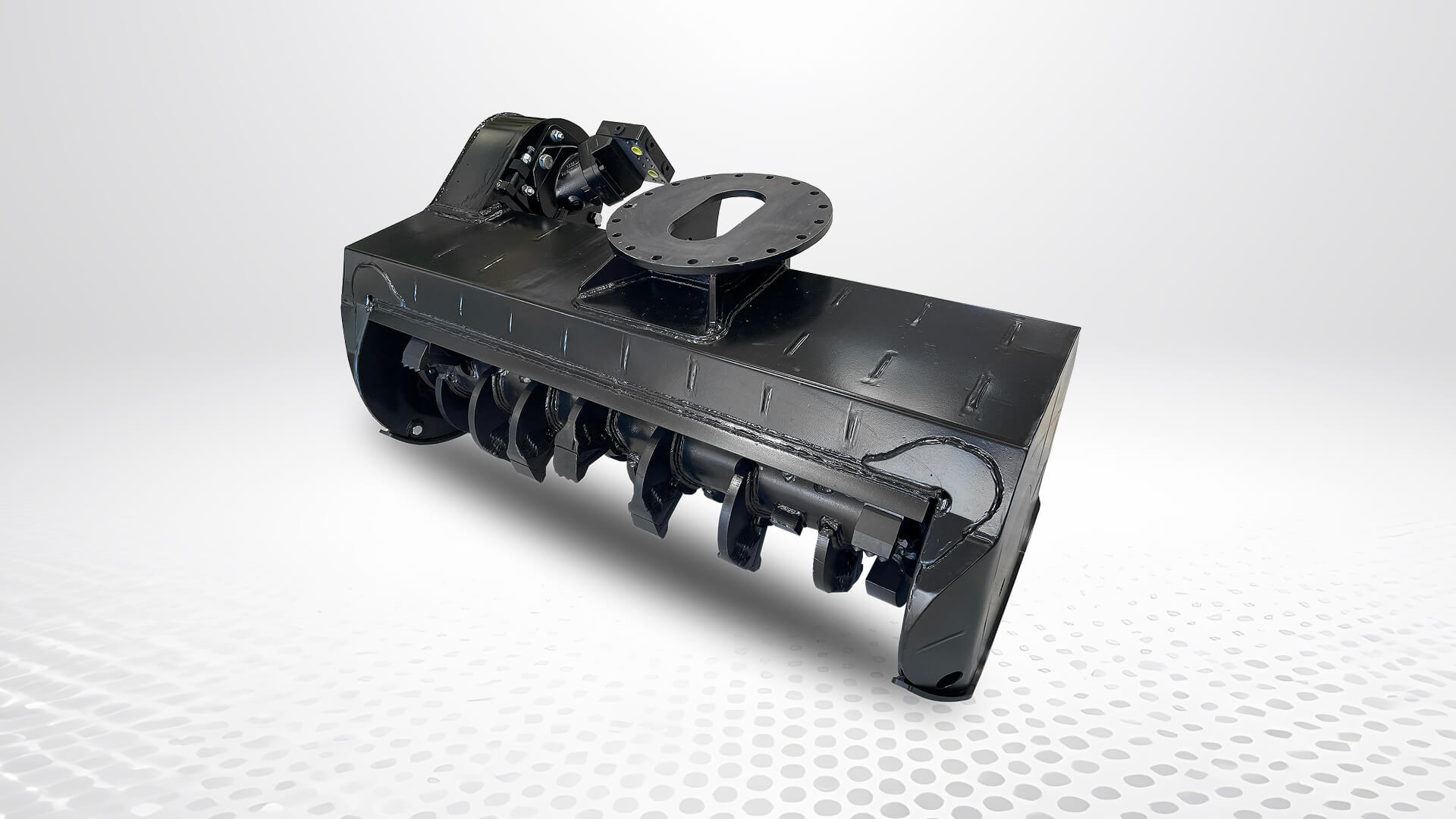
Investing in high-quality equipment plays a critical role in optimizing lot clearing strategies. The choice between different types of machinery—such as skid steer mulchers or excavator mulchers—can influence both efficiency and cost-effectiveness. For example, a Fecon mulcher equipped with carbide teeth can effectively handle dense brush while maintaining a lower mulch depth compared to other options. This leads not only to quicker job completion but also less need for subsequent maintenance of the area.
Environmental Impact and Economic Efficiency
spidermaxusa.com machine mulcherLand clearing is often associated with environmental degradation; however, employing eco-friendly practices can mitigate negative impacts while providing economic advantages. Efficient vegetation management helps reduce fuel loads that contribute to wildfires—a prevalent concern in many regions. By investing in right-of-way clearing for utility companies or transportation corridors through methods like forest mastication or stump grinding, stakeholders can significantly lower the risk of fire hazards.
Wildfire Mitigation as an Economic Strategy
Wildfires have devastating effects on property values and local economies. Effective fuel reduction strategies implemented during lot clearing can help prevent costly fire damage down the line. For example, properties located near wildland-urban interfaces benefit from early intervention through proper habitat restoration techniques combined with invasive species removal efforts. These proactive measures provide a dual benefit: they protect investments while enhancing local ecosystems.
Long-Term Benefits of Effective Lot Clearing
While initial costs are crucial considerations when planning lot clearing projects, understanding long-term implications offers deeper insight into overall economic benefits. Efficient land management services not only prepare sites for development but promote sustainable practices that enhance future land use.
Habitat Restoration and Its Role in Value Appreciation
Incorporating habitat restoration into lot clearing efforts fosters biodiversity which can increase property values over time. Buyers are increasingly drawn to environmentally friendly practices that demonstrate stewardship toward natural resources. Properties featuring restored habitats tend to attract higher bids compared to those without such initiatives.
Moreover, integrating ecological assessments during SpidermaxUSA heavy equipment site preparation ensures compliance with local regulations aimed at preserving natural landscapes while maximizing usable space for development projects.
Right-of-Way Maintenance as Cost-Effective Management
Regular maintenance of rights-of-way ensures safe passage for utilities while reducing liability risks associated with overgrown vegetation causing hazards. Implementing systematic vegetation control using drum mulchers or disc mulchers provides ongoing cost savings by minimizing emergency response needs due to fallen branches or obstructed access routes.
Making Informed Decisions: Weighing Options
Choosing the right strategy involves weighing various factors including project scale, site conditions, budget constraints, and environmental goals. Engaging professionals experienced in land management services allows stakeholders access to insights that inform better decision-making processes.
Rental Versus Purchase of Equipment
One critical decision point involves whether to rent or purchase forestry equipment necessary for efficient land clearing operations. Rental options offer flexibility without long-term commitment but may lead to higher overall expenditures if frequent usage is anticipated over time.
Conversely, investing in machinery like high flow mulchers could prove economical if utilized consistently across multiple projects within tight schedules where time efficiency becomes paramount.
Selecting the Best Forestry Mulcher
The best forestry mulcher for skid steer applications varies based on specific project requirements such as terrain type and desired mulch depth outcomes. Evaluating options against performance metrics can help determine which model will serve best without compromising efficiency standards or incurring excessive operational costs.
Conclusion: A Strategic Approach
The economic benefits derived from efficiently executed lot clearing strategies underscore their importance beyond mere aesthetics or compliance requirements within development frameworks. By focusing on comprehensive planning that includes cost analysis along with environmental considerations—stakeholders position themselves not only for immediate gains but sustainable growth opportunities moving forward.
As we navigate increasing demands on our landscapes amid urban expansion pressures and climate realities—embracing innovative solutions becomes essential not just economically but ethically too—ensuring we leave behind spaces capable of supporting future generations harmoniously alongside nature's resilience.